
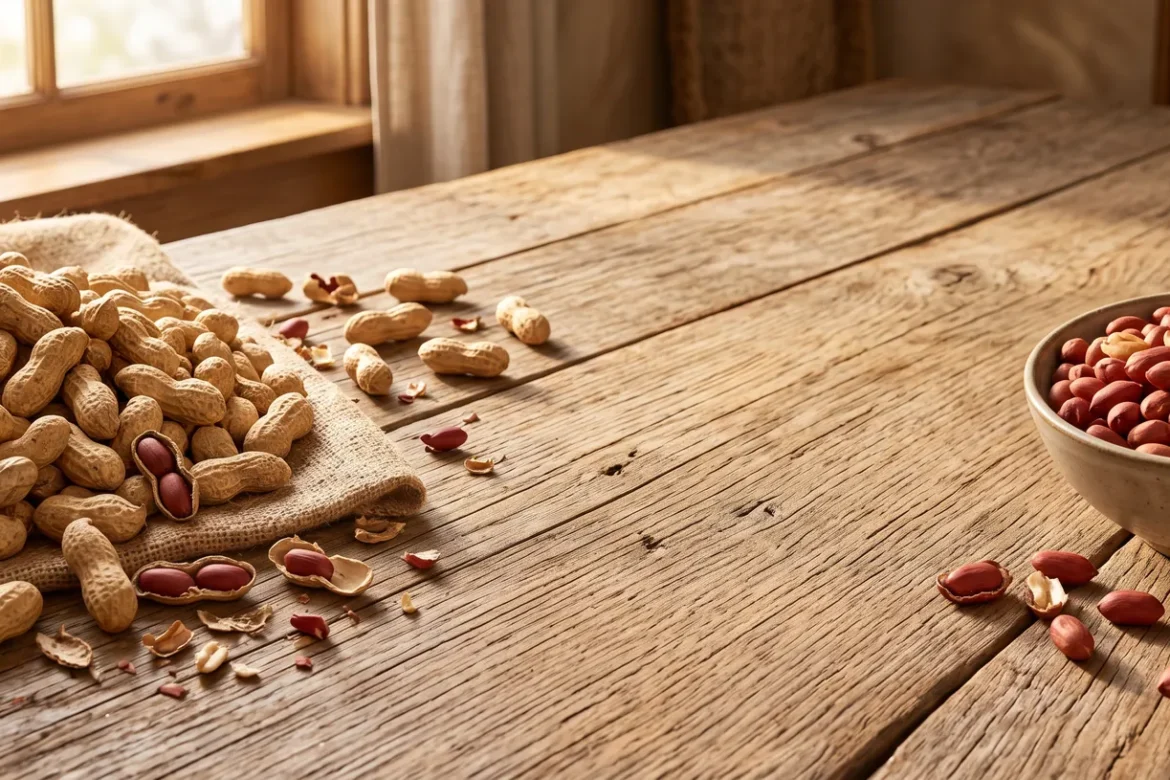
If you’ve ever cracked open a fat, crunchy peanut at a ballgame and thought it was bigger than usual, there’s a good chance it was a Virginia peanut. Virginia peanuts are the largest of the four main peanut types grown in the United States, and they’re what we’ve built Coleman’s Peanut Company around here in Carson, Virginia. Here’s what sets them apart, how they compare with other peanuts, and the best ways to enjoy them at home.
The Four Types of Peanuts
Almost every peanut grown in the U.S. falls into one of four market types. They look similar in the shell, but they’re grown, sold and eaten differently:
- Runner – the most widely grown type. Runners are medium-sized and very uniform, which makes them ideal for processing, and they go into most of the country’s peanut butter.
- Virginia – the largest kernels of the four. Because of their size, Virginias are the peanut of choice for roasting in the shell and for gourmet and cocktail peanuts.
- Spanish – small, round kernels with reddish-brown skins and a higher oil content. You’ll find them in peanut candy, snack mixes and peanut butter.
- Valencia – usually three or more small kernels to a shell, with bright red skins and a sweet flavor. They’re often roasted in the shell or boiled.
The National Peanut Board has more detail on how each type is grown and used.
Why Size Matters
A bigger kernel means more crunch in every bite and a more satisfying peanut to snack on straight from the shell. When you crack a Virginia peanut you get a real handful instead of a nibble, and the larger surface area gives a roasted peanut a deeper, toastier flavor. That’s why Virginias are the go-to for in-shell peanuts and for the cocktail peanuts you set out when company comes over.
Size also matters in the kitchen. Large kernels hold their shape in brittle and candy, stand up to a chocolate coating, and stay crunchy in a salad or stir-fry instead of disappearing into the dish.
Where Virginia Peanuts Grow
The name comes from where they grow best. Virginia-type peanuts are raised mostly in the Virginia–Carolina region, where sandy soil and long, warm summers suit them. Southside Virginia, where Carson sits, has grown them for generations. Peanuts are planted in spring and harvested in the fall: farmers dig the plants, turn them over so the peanuts face the sun, and let them dry in the field before they’re picked and cured.
How Virginia Peanuts Compare
Virginia vs. Runner Peanuts
Runners are smaller and more uniform, which is perfect for grinding into peanut butter but less exciting to snack on. Virginias are bigger, crunchier and better suited to eating whole.
Virginia vs. Spanish Peanuts
Spanish peanuts are small with a red skin and a slightly richer, oilier taste. They’re great in candy bars and mixes, while Virginias shine when the peanut itself is the star.
Jumbo, Fancy and Other Grades
You’ll often see Virginia peanuts sold as “jumbo” or “fancy.” Those terms describe size grades – jumbo pods are the largest. Coleman’s in-shell peanuts are Virginia jumbos, picked for size.
Our Favorite Ways to Enjoy Virginia Peanuts
Roasted in the Shell
The classic. Our salted in-shell peanuts are roasted with the salt right in the shell, and our unsalted roasted peanuts are there if you’re watching your sodium. Keep a bowl out for the ball game and a second one for the shells.
Cocktail Peanuts
Shelled, cooked and lightly salted, cocktail peanuts are the ones to put out when company comes over. They pair with a cold drink, a cheese board or a holiday party spread.
Boiled Peanuts
A Southern favorite. Start with raw in-shell peanuts, rinse them, then simmer them for several hours in well-salted water until the shells are soft and the peanuts are tender. Taste as you go, add salt to your liking, and eat them warm. Leftovers keep in the refrigerator for a few days.
Candy and Chocolate
Big peanuts make great candy. Try our old fashioned peanut candy, made from the family’s original recipe, Southern style peanut brittle or double dipped chocolate peanuts. For something rich and buttery, our butter toffee peanuts are made with real butter.
In the Kitchen
Chopped Virginia peanuts add crunch to salads, slaws, noodle dishes and stir-fries, and they make a great topping for ice cream or a coating for chicken. Toast shelled peanuts in a dry skillet for a few minutes to bring out even more flavor.
How to Keep Peanuts Fresh
Peanuts are a natural product with natural oils, so heat, light and air are their enemies. A few simple rules keep them tasting their best:
- Store peanuts in an airtight container or a well-sealed tin in a cool, dry place.
- Keep them away from the stove and out of direct sunlight.
- For longer storage, move them to the refrigerator or freezer, where they’ll stay fresh much longer.
- In-shell peanuts keep longer than shelled ones because the shell protects the kernel.
Every Coleman’s order is cooked to order, so you start with the freshest peanuts possible.
Frequently Asked Questions
Are Virginia peanuts healthier than other peanuts?
All four peanut types are nutritionally very similar. Peanuts are a good source of plant protein and healthy fats. The main difference with Virginias is size, crunch and flavor.
What’s the difference between roasted and raw peanuts?
Raw (green or dried) peanuts haven’t been cooked and are used for boiling or roasting at home. Roasted peanuts are ready to eat.
Do you ship Virginia peanuts nationwide?
Yes. We ship our peanuts, candy and gift tins across the country. See our FAQ for shipping details.
Try Them for Yourself
The best way to understand the difference is to taste it. Browse our Virginia peanut products, read our peanut gift guide, or send a peanut gift tin to someone who’s never had a real Virginia peanut.
Leave a comment
You must be logged in to post a comment.